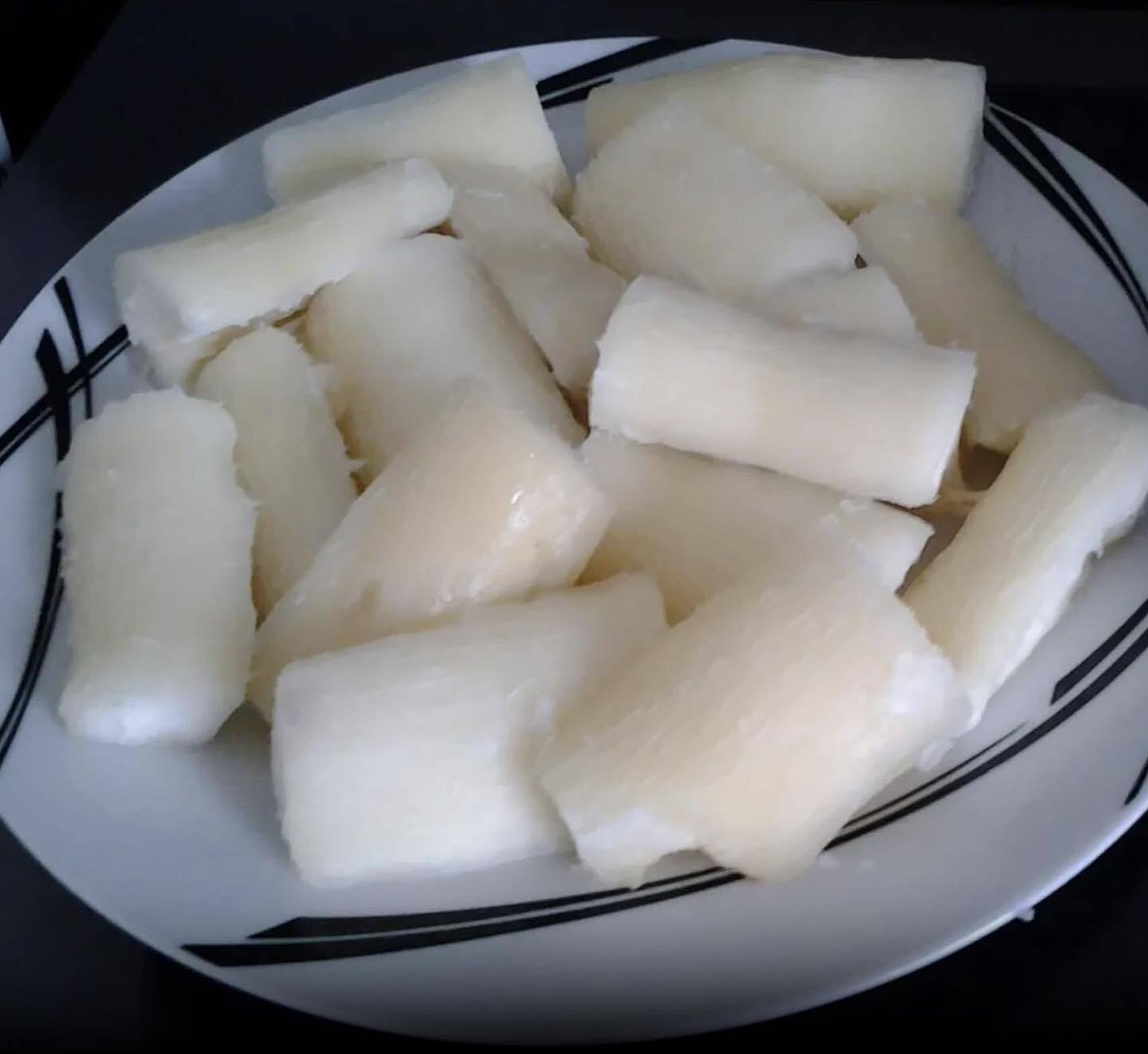
Toxic when prepared incorrectly: the flip side of a globally popular food
Cassava – an innocent root vegetable with a dangerous secret
In many parts of the world, cassava is an indispensable staple food. It is mashed, fried like potatoes, ground into flour, turned into cakes, pies, and even desserts. It is valued for its soft, starchy texture, neutral taste, and nutritional properties. At first glance, it is a completely harmless root. But did you know that if improperly processed, cassava can become deadly dangerous?
Popular food with two faces
Cassava (also known as cassava, yucca, or tapioca) is a root crop native to South America, now widely grown in Africa and Asia. It is the main source of carbohydrates for about 500 million people worldwide, especially in poor areas where other products are unavailable or too expensive.
There are two main types of cassava:
Sweet cassava , containing a relatively low amount of toxic substances.
Bitter cassava , which contains more cyanogenic glycosides – compounds that can release cyanide when broken down.
Cyanide – a word that gives you goosebumps
Cyanide is one of the most well-known poisons. It is often mentioned in books and movies as a means of instant poisoning. However, few people know that it can also be obtained from ordinary food – for example, from poorly processed cassava.
Cyanogenic glycosides in the root, under the action of enzymes and acid, are converted into hydrocyanic acid. Once in the body, it blocks cellular respiration and deprives the body of energy. Mild poisoning causes headache, nausea, dizziness and weakness; severe poisoning causes paralysis, convulsions and death.
Why is cassava called “the most dangerous food in the world”?
Despite its widespread use, deaths are reported every year after consuming poorly prepared cassava – on average, about 200 people die from acute poisoning. This most often happens with:
humanitarian crises;
hunger;
natural disasters;
extreme poverty when there is a lack of knowledge or opportunities for proper heat treatment.
Children and people with low protein intake are particularly vulnerable because protein helps neutralize cyanide; in a deficiency, this protection weakens.
How to disinfect cassava: simple safety rules
The good news is that cassava can be completely safe if prepared properly. In traditional cultures, this knowledge is passed down from generation to generation. Here are the basic steps:
Never eat raw cassava.
The bark and leaves contain the most glycosides.Soaking
Grated or chopped cassava should be soaked in water for 24–48 hours. This “rinses out” much of the toxins.Boiling or frying
Heat treatment breaks down dangerous compounds. Prolonged boiling or roasting makes the root safe.Peeling
The most toxic substances are concentrated in the peel – don’t skip this stage.Balanced nutrition:
Combine cassava with protein products – meat, fish, legumes, eggs – to help the body neutralize residual toxins.
👉 Continue reading on the next page…
