Traditions in different cultures
Nigeria – the popular garri : cassava is grated, fermented, dried and roasted; the process reduces toxicity to almost zero.
Brazil – farofa and tapioca fritters; the flour goes through washing and heating before reaching the table.
Indonesia – the roots are boiled in several waters, then fried or baked; fermented products are also made.
Cassava today: future and prospects
Despite the potential risk, cassava is a promising crop:
Unpretentious – grows in poor soils and in drought.
High yield – can guarantee food security in developing countries.
Rich in starch – ideal for gluten-free cuisine and diet products.
Varieties with lower glycoside content are being developed, and industrial processing methods make it safe for the mass market.
Lost knowledge – an overlooked danger
With the advent of fast food, many traditions are being forgotten. In poor areas, younger generations often do not know how to properly process cassava. When food is scarce, people eat raw or undercooked roots – leading to epidemics of poisoning.
In 2017, dozens of children in Uganda were poisoned by school porridge made from poorly cleaned cassava; several died.
Cassava and children: special attention
Children’s bodies are more sensitive to cyanide. If you are cooking cassava for a family with children:
use only proven recipes;
never let children taste raw cassava;
Make sure the food is fully cooked.
Homemade recipes: safe and delicious cassava
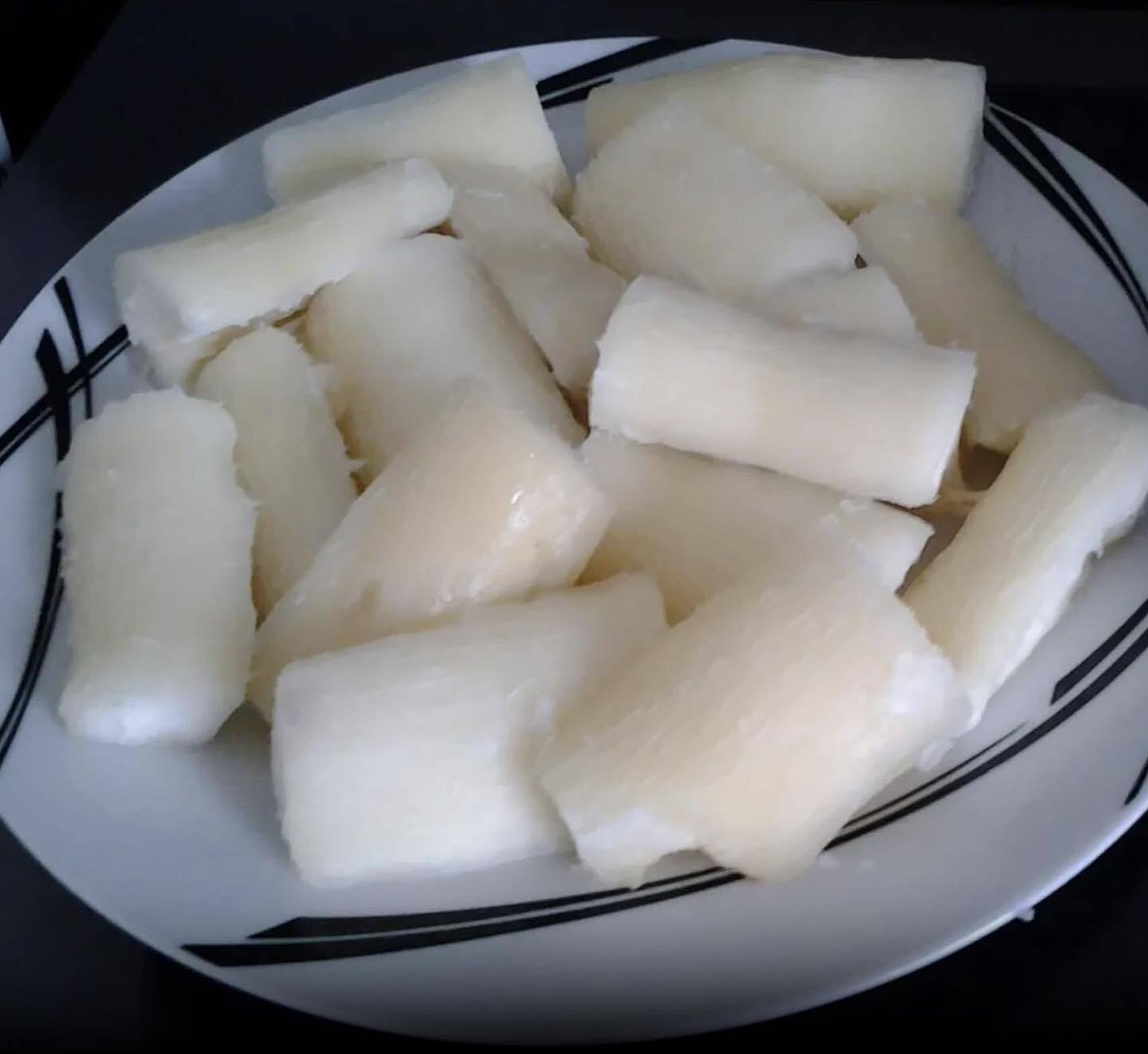
Cassava puree
Peel the roots.
Cut, soak in cold water for 24 hours.
Change the water, boil for 40–60 minutes.
Mash, add cream, butter and a little garlic.
Fried cassava
After soaking and boiling, cut into sticks.
Fry until golden, serve with avocado, tomato or sour milk sauce.
Tapioca pudding
Use industrially processed tapioca flour.
Boil with milk, a little sugar and vanilla until thickened.
Cassava and ecology
It requires less water than rice or wheat.
It is resistant to pests.
It grows in soils unsuitable for other crops.
Its starch is now used to make bioplastics, eco-packaging, and even biofuels.
The history of cassava in brief
~8000 years ago – domesticated by tribes in the Amazon.
16th century – the Portuguese brought it to Africa, where it adapted to dry land.
18th–19th centuries – spreads to Southeast Asia.
Today , Brazil, Nigeria, Thailand, DR Congo and Indonesia are leading producers.
Interesting fact: cassava has saved millions of lives during wars and famines because it grows where other crops die.
Medical Perspective: The Dangers of Cyanide
Cyanide blocks the enzyme cytochrome c oxidase, which is needed for cellular respiration. The cells “suffocate” even if there is oxygen in the blood.
Symptoms of poisoning:
dizziness, nausea, rapid breathing, weakness;
seizures, loss of consciousness;
in severe cases – death in 30–60 minutes.
Chronic exposure:
tropical ataxia;
conzo (paralysis of the lower limbs in children);
thyroid disorders.
Research data
WHO emphasizes the need for training in safe preparation.
FAO (2023) – 60% of the world’s consumed cassava does not undergo full industrial processing.
Studies in Uganda and Congo: 35% of households do not soak cassava; cyanide levels in children are three times higher than normal.
👉 Continue reading on the next page…
