2. Vitamin B12 – The Nerve Supporter
Vitamin B12 plays a crucial role in maintaining a healthy nervous system and in the production of red blood cells. It also supports the myelin sheath—a protective covering for nerves that allows electrical impulses to transmit efficiently.
How it works: A well-functioning nervous system allows your muscles to move properly and helps you feel sensations like pressure and pain.
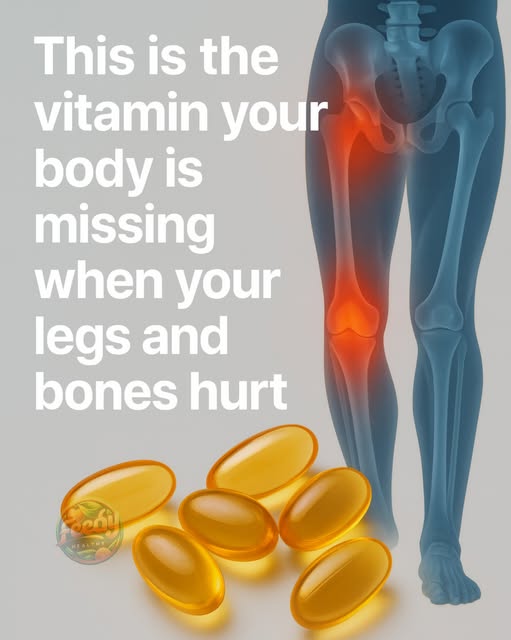
What happens when you’re deficient: Lack of vitamin B12 can lead to nerve damage, which may manifest as tingling, numbness, burning sensations, or sharp pain in the legs and feet. It may also cause muscle weakness, balance problems, and overall fatigue.
Who is at risk: People over 50 (due to reduced absorption), vegans or vegetarians (since B12 is mainly found in animal products), and those with digestive disorders like Crohn’s disease or celiac disease.
Sources of vitamin B12: Meat, fish, poultry, eggs, dairy products, and fortified foods. Supplements or B12 injections may be necessary for those with severe deficiencies.
Other Nutrients That May Be Involved
In addition to vitamins D and B12, deficiencies in the following nutrients may also contribute to leg or bone discomfort:
Magnesium: Important for muscle function and bone strength. A lack of magnesium can lead to cramps and spasms in the legs.
Calcium: Essential for strong bones; low levels can cause bone pain and increase fracture risk.
Vitamin K2: Helps calcium bind to bones rather than depositing in arteries or joints.
