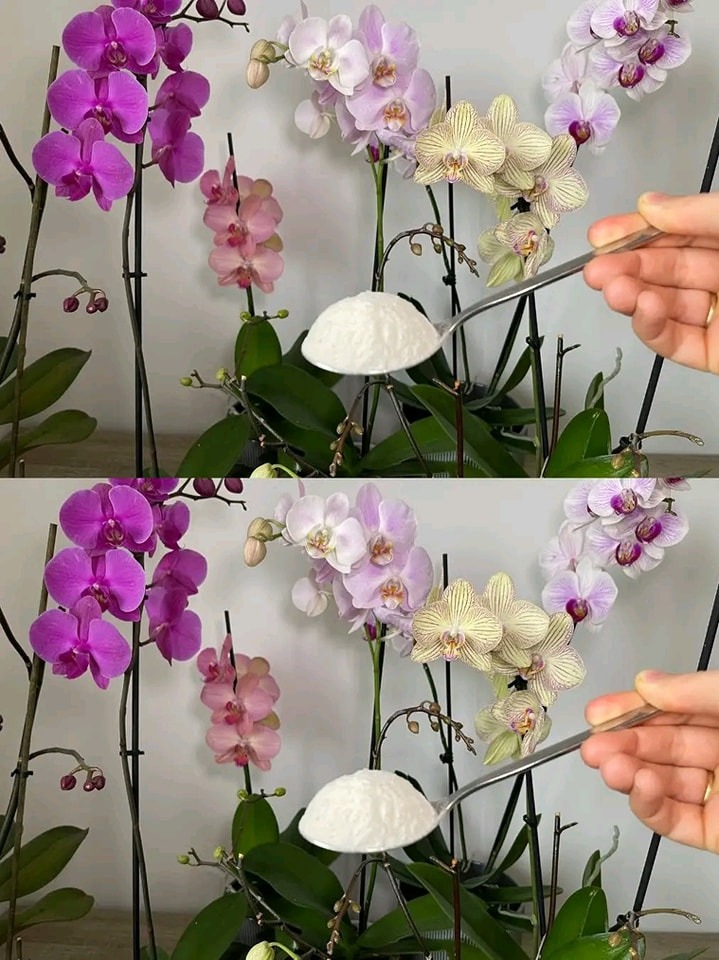
Steps to Revive Your Orchid
Once you’ve identified the problem, follow these steps to help revive your orchid:
Step 1: Assess the Roots
- Remove the Orchid from its Pot: Carefully take your orchid out of its pot. Gently shake off the potting medium to expose the roots.
- Inspect the Roots: Healthy roots are firm and green. If you find brown or mushy roots, they are likely rotting and need to be trimmed.
Step 2: Trim Damaged Roots
- Use Sterilized Tools: Use sterilized scissors or pruning shears to trim away any dead or rotting roots.
- Leave Healthy Roots: Ensure you leave as many healthy roots as possible, as these will help the plant absorb water and nutrients.
Step 3: Repot the Orchid
- Choose the Right Medium: Use a well-draining orchid potting mix. This is typically a blend of bark, sphagnum moss, and perlite.
- Repot Carefully: Place the orchid back in its pot, filling in around the roots with the potting mix. Ensure the plant is stable but not packed too tightly.
Step 4: Adjust Watering Practices
- Watering Schedule: After repotting, water your orchid thoroughly, allowing excess water to drain out. Follow a schedule that allows the potting medium to dry slightly between waterings.
- Check for Moisture: Use your finger to check the moisture level in the potting mix. If it feels dry an inch below the surface, it’s time to water.
Step 5: Optimize Light Conditions
- Find the Right Spot: Place your orchid in a location with bright, indirect sunlight. A south or east-facing window is often ideal.
- Avoid Direct Sunlight: If you notice that the leaves are getting scorched, move the plant to a location with less direct light.
Step 6: Manage Humidity
- Increase Humidity: If your home is dry, consider using a humidifier or placing the orchid on a tray filled with water and pebbles. Ensure the pot is not sitting directly in water.
- Misting: Mist the leaves occasionally, but avoid wetting the flowers or the center of the plant, as this can lead to rot.
Step 7: Fertilize Appropriately
- Use Orchid Fertilizer: After a few weeks of recovery, you can start fertilizing your orchid with a balanced orchid fertilizer diluted to half strength.
- Frequency: Fertilize every two to four weeks during the growing season, but reduce or stop during the dormant period.
Step 8: Monitor for Pests
- Regular Checks: Inspect your orchid regularly for signs of pests or diseases.
- Treat Immediately: If you notice any pests, treat them with insecticidal soap or neem oil as soon as possible.
