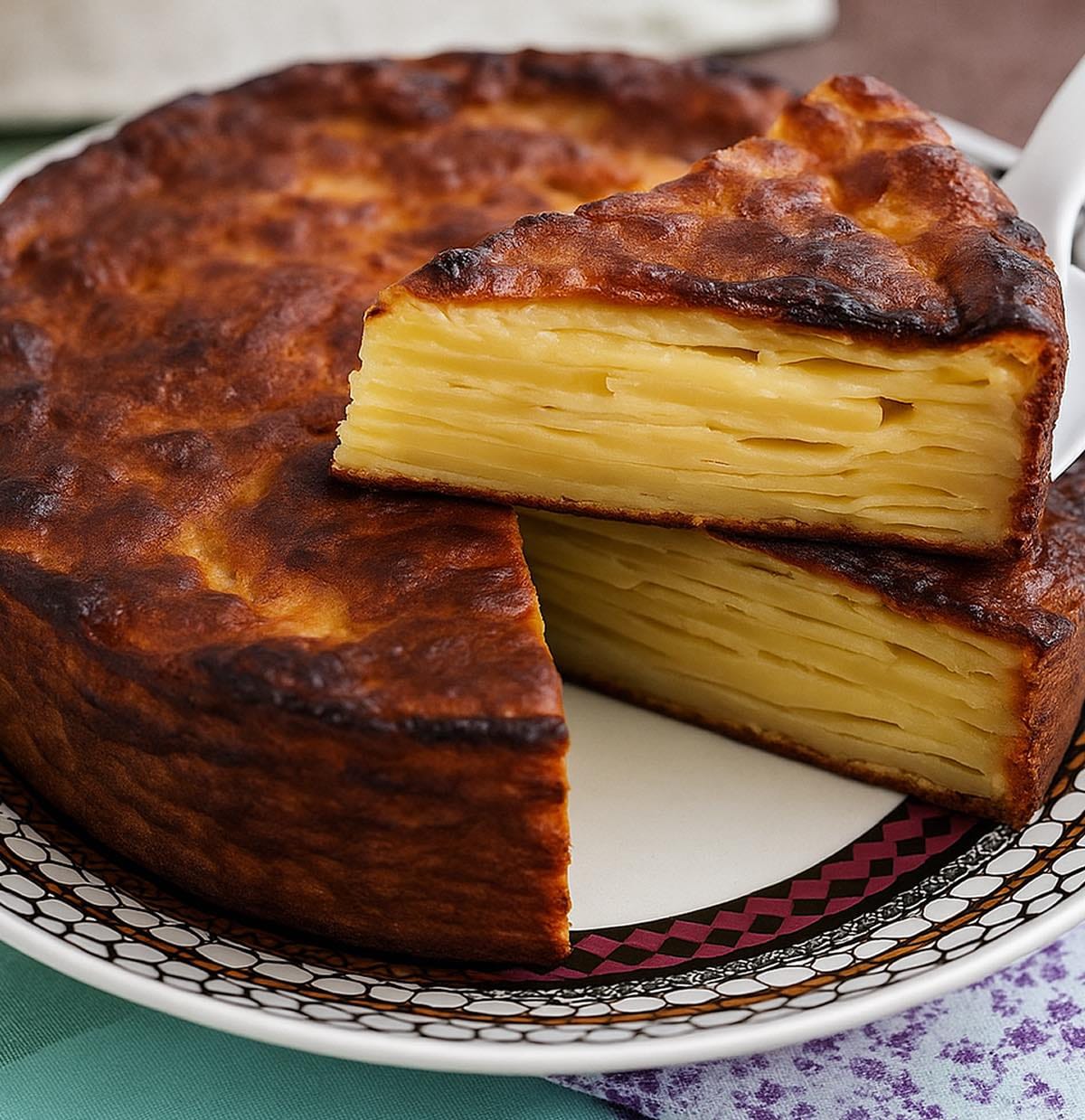
The Origins of Pasta Pie
A Culinary Tradition
Pasta has long been a staple in many cuisines around the world, particularly in Italy. The concept of baking pasta in a pie-like form can be traced back to traditional Italian cooking, where layers of pasta, cheese, and sauces are combined and baked to create a hearty dish. This method not only enhances the flavors but also allows for creative adaptations based on regional ingredients and family recipes.
Cultural Variations
Different cultures have their own takes on baked pasta dishes:
- Italian Timballo: A classic Italian dish, timballo features pasta encased in a crust, often filled with meat, vegetables, and cheese. It’s a festive dish that showcases the artistry of Italian cuisine.
- Greek Pastitsio: This baked pasta dish combines layers of pasta, a rich meat sauce, and a creamy béchamel topping, creating a delightful harmony of flavors.
- American Baked Ziti: A popular comfort food, baked ziti consists of pasta mixed with marinara sauce and cheese, baked until bubbly and golden.
The Allure of Pasta Pie
Comfort Food at Its Best
Pasta pie embodies the essence of comfort food. With its warm, creamy filling and crispy top, it offers a sense of nostalgia and satisfaction. It’s perfect for family gatherings, potlucks, or cozy dinners at home.
Versatility in Ingredients
One of the greatest advantages of pasta pie is its versatility. You can customize it based on dietary preferences and seasonal ingredients. Whether you prefer a vegetarian version filled with roasted vegetables or a meat lover’s delight with sausage and ground beef, the possibilities are endless.
Crafting the Perfect Pasta Pie
Selecting the Right Pasta
Choosing the right pasta is crucial for achieving the desired texture. Short pasta shapes like ziti, rigatoni, or fusilli work well, as they hold the sauce and blend seamlessly with the filling. Long pasta like spaghetti can also be used but may require a different approach to layering.
Building Layers of Flavor
- Cook the Pasta: Start by cooking the pasta al dente, as it will continue to cook during baking.
- Prepare the Sauce: A rich tomato sauce or a creamy béchamel can serve as the foundation. Consider adding herbs, garlic, and spices for extra flavor.
- Layering: In a greased baking dish, begin with a layer of sauce, followed by a layer of pasta, then cheese. Repeat until all ingredients are used, finishing with a layer of sauce and a generous sprinkle of cheese on top.
Baking to Perfection
Preheat your oven to the recommended temperature (usually around 350°F or 175°C) and bake until the top is golden brown and crispy. Allow the pasta pie to rest for a few minutes before slicing to ensure it holds its shape.
A Simple Recipe for Pasta Pie
Ingredients
- 3 cups short pasta (like ziti or rigatoni)
- 2 cups marinara sauce
- 2 cups ricotta cheese
- 1 cup shredded mozzarella cheese
- 1/2 cup grated Parmesan cheese
- 1 teaspoon dried oregano
- Salt and pepper to taste
- Fresh basil for garnish (optional)
Instructions
- Cook the Pasta: Boil the pasta according to package instructions; drain and set aside.
- Prepare the Filling: In a mixing bowl, combine ricotta cheese, oregano, salt, and pepper.
- Layer the Dish: In a greased baking dish, spread a thin layer of marinara sauce. Add a layer of pasta, followed by half of the ricotta mixture and half of the mozzarella. Repeat this process, finishing with a layer of pasta topped with marinara sauce and the remaining mozzarella and Parmesan.
- Bake: Preheat the oven to 350°F (175°C) and bake for 30-35 minutes, or until the top is golden brown.
- Serve: Allow to cool for a few minutes before slicing. Garnish with fresh basil if desired.
Conclusion: A Dish to Cherish
The beauty of a baked pasta pie lies not only in its comforting flavors but also in the memories it creates. Whether shared at a family gathering or enjoyed on a quiet evening at home, this dish brings people together, inviting them to savor each delicious bite.
As you embark on your culinary journey to create the perfect pasta pie, remember that the joy of cooking comes from experimentation and love. So gather your ingredients, invite some friends or family, and indulge in the warmth and delight of this timeless dish. Your kitchen is about to become a haven of flavor, and your table will be a place of shared joy and laughter.
